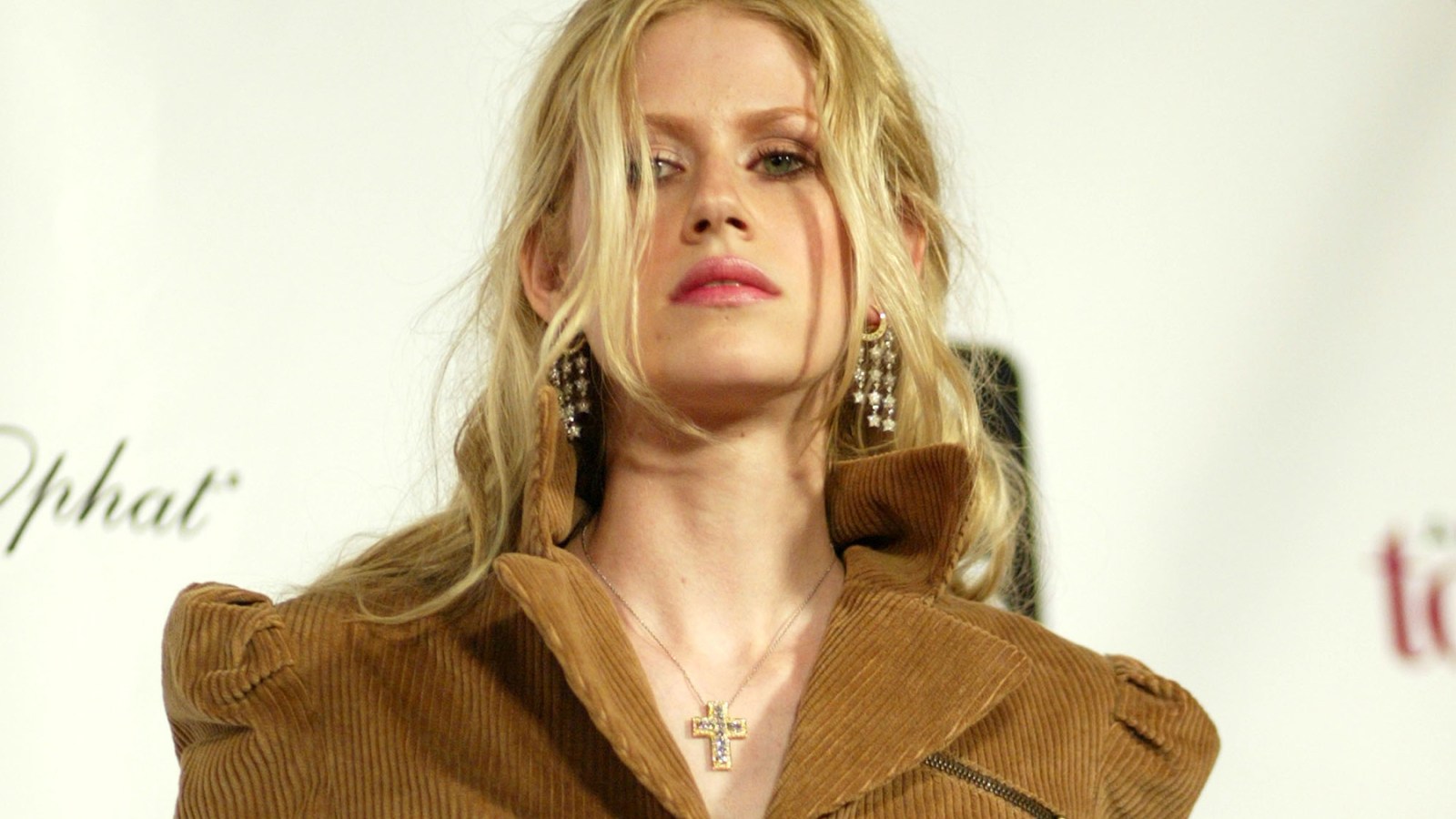
Shandi Sullivan: The Unfolding Story on Netflix's "Reality Check"
The glossy façade of reality television often conceals a myriad of complex narratives and, at times, deeply traumatic experiences for its participants. Few shows exemplify this more poignantly than America's Next Top Model (ANTM), a series that captivated millions but is now facing a critical re-evaluation through the lens of a new Netflix docuseries, Reality Check: Inside America's Next Top Model. Among the many stories brought to light, one stands out for its raw honesty and unsettling implications: the ordeal of Shandi Sullivan, a finalist from Cycle 2, and the Milan incident that continues to haunt her.
Shandi Sullivan's journey on ANTM was, in many ways, the quintessential reality TV Cinderella story. A unassuming Walgreens clerk from Kansas City, she entered a world she knew little about, propelled by an ad she saw. Her candid nature, combined with a striking transformation orchestrated by the show, quickly endeared her to viewers. Yet, beneath the surface of stunning photographs and high-fashion dreams lay a deeply vulnerable individual, a "black sheep" from a complicated childhood, who found herself thrust into a high-pressure environment without adequate safeguards. This vulnerability, combined with the show's insatiable appetite for drama, set the stage for an incident in Milan that would forever alter her perception of the experience.
From Kansas City to Catwalk: Shandi Sullivan's ANTM Transformation
Before stepping into the ANTM spotlight, Shandi Sullivan's life was far removed from the runways of Milan. Born on April 2, 1982, in Kansas City, Missouri, she described a challenging upbringing, feeling like an outsider within her own family. At 18, seeking independence, she made the bold decision to leave home, purchasing a plane ticket without informing her parents. A stark exchange with her father, who bid her "have a nice life," underscored the emotional distance she felt. Settling in Kansas City, she worked diligently as a service clerk at Walgreens, a stark contrast to the glamorous world of modeling.
Her entry into ANTM Cycle 2 marked the beginning of a remarkable metamorphosis. With no prior modeling experience, Shandi Sullivan quickly proved her potential. The show's signature makeover, which saw her trading her natural look for a bold, platinum blonde hairstyle, was a pivotal moment. For the first time, she recalled feeling "pretty and confident," a significant psychological boost for someone who had long struggled with self-perception. This newfound confidence translated into stunning photographs, culminating in an iconic eyewear campaign shoot at the Colosseum in Rome. Her dynamic, leg-lifted pose in that image remains one of the series' most memorable and acclaimed photographs, a testament to her burgeoning talent. Shandi Sullivan ultimately finished in third place, her raw potential and unique look cementing her status as a fan favorite.
The Milan Incident: A Traumatic Turning Point for Shandi Sullivan
The dreamlike atmosphere of international travel soon took a dark turn when the Cycle 2 models arrived in Milan, Italy. After a day of "go-sees"—introductory meetings with agents and designers facilitated by local drivers—the models returned to their apartment. The drivers, an unusual move in itself, joined them for dinner and drinks. What began as a social gathering quickly spiraled into a profoundly unsettling experience for Shandi Sullivan.
Recounting the night on Reality Check, Shandi describes a state of extreme vulnerability: "We were just talking, drinking... I don't think I'd eaten anything at all or had any sleep." This combination of alcohol, fatigue, and lack of sustenance rendered her significantly impaired. The party eventually moved to a hot tub, where an intoxicated Shandi, who had a boyfriend back home in Kansas City, shared a kiss with one of the local drivers. What followed, as Shandi recalls with profound emotion, is a blur, punctuated by disturbing fragments:
- Loss of Control: "Everything kind of after that is just a blur," she states, her voice raw. "I remember him on top of me. I was blacked out."
- Lack of Intervention: Chillingly, she notes, "No one did anything to stop it." This raises critical questions about the duty of care exercised by the production crew, who were actively filming the entire sequence.
- Filmed Exploitation: "And it all got filmed, all of it." The knowledge that her most vulnerable and violated moments were captured for television, without her conscious consent, adds another layer of trauma.
In a 2023 interview with Entertainment Weekly, Shandi Sullivan elaborated on her compromised state, emphasizing, "I was really drunk, falling down. If I would've seen me out with that dude in [public], I would've been like, 'Okay, grab [her], you're way too drunk to even know what's going on.'" She recounted a brief sexual encounter followed by her passing out. Waking up to the stark reality of the situation, her immediate concern was her safety and health, leading to a bizarre and deeply uncomfortable filmed conversation with the man about STDs and recent testing. "Thinking about that now, it's so bizarre. Like, this is my life, it's not a scripted thing." This raw, unscripted moment, born of fear and vulnerability, highlights the invasive and exploitative nature of reality television when boundaries are disregarded.
The Enduring Scars: Reality TV, Consent, and Duty of Care
Shandi Sullivan's Milan incident serves as a stark reminder of the ethical quandaries inherent in early reality television and, disturbingly, how some of these issues persist today. The situation underscores several critical points:
- Consent Under Duress: When a person is heavily intoxicated and sleep-deprived, their capacity to give informed consent is severely compromised. The show's decision to continue filming rather than intervene raises serious ethical red flags.
- Duty of Care: Production companies have a moral and often legal obligation to ensure the safety and well-being of their contestants. Allowing drivers to socialize intimately with vulnerable participants, especially when alcohol is involved, demonstrates a severe lapse in this duty. The failure to intervene when Shandi was clearly incapacitated speaks volumes about the priorities of entertainment over individual safety.
- Exploitation for Entertainment: The very act of filming such a private and traumatic event, knowing it would be broadcast for ratings, exemplifies the exploitative potential of reality TV. It transforms a personal crisis into public spectacle, contributing to the participant's enduring trauma.
- Long-Term Psychological Impact: As Shandi Sullivan herself testifies, the Milan incident continues to haunt her. Such experiences can lead to lasting psychological scars, including PTSD, anxiety, and difficulty trusting others. The glamor of the runway quickly faded into the shadow of a deeply uncomfortable public memory.
In an era where discussions around consent, mental health, and media ethics are more prominent than ever, stories like Shandi Sullivan's are crucial. They force a critical examination of how reality television operates and the lasting legacy it leaves on those who participate. The advent of platforms like Netflix's Reality Check allows former contestants to reclaim their narratives and offer perspectives often suppressed in the original broadcasts, sparking vital conversations about accountability in the entertainment industry.
Beyond ANTM: Shandi Sullivan's Path and the Call for Accountability
While the Milan incident remains a dark chapter, Shandi Sullivan's journey didn't end with ANTM. Following her appearance on the series, she made guest appearances on related programs, maintaining a connection to the fashion world that briefly embraced her. However, the lasting impact of her trauma, brought to the forefront by her candid recollections, highlights the unseen costs of reality television fame.
Her bravery in sharing such a deeply personal and painful memory on Reality Check serves as a powerful call for greater responsibility within the reality TV industry. It reminds viewers that behind every dramatic edit and sensationalized storyline are real people whose lives are profoundly affected. Shandi Sullivan's story is a testament to resilience, but also a poignant cautionary tale about the ethical boundaries that should never be crossed in the pursuit of entertainment. As audiences consume more content, understanding the mechanisms and potential human costs behind the camera becomes increasingly vital.